Plastic Surgery After Weight Loss on Long Island
Post-Weight Loss Body Contouring on Long Island
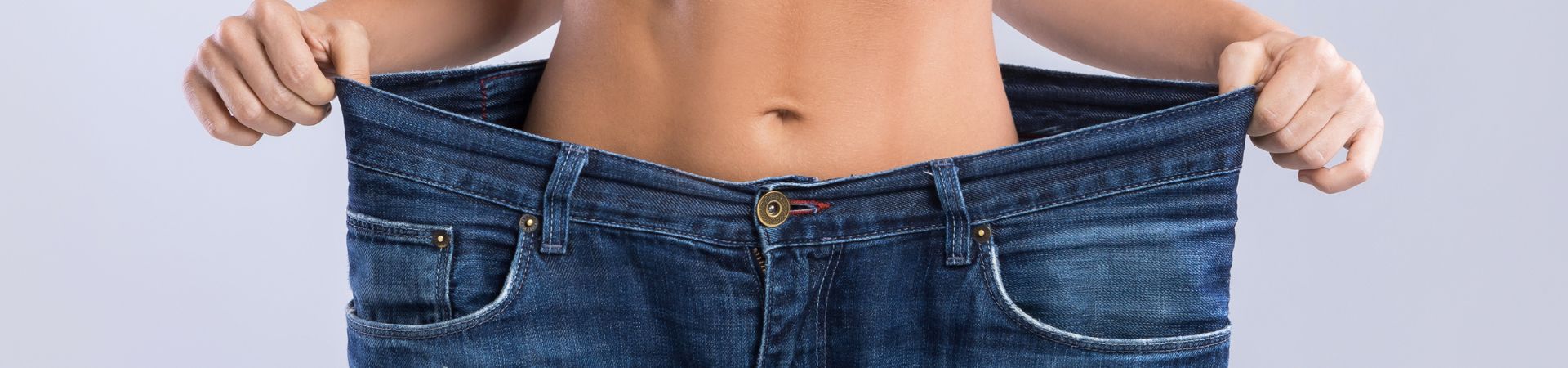
Post-weight loss plastic surgery refers to a range of surgical procedures designed to address the aesthetic concerns that may arise after significant weight loss. When individuals lose a substantial amount of weight, either through diet and exercise or bariatric surgery, they may be left with excess skin, sagging tissues, and areas of stubborn fat that do not respond to traditional weight loss methods. Post-weight loss cosmetic surgery aims to address these issues and provide patients with a more toned, proportionate, and aesthetically pleasing body contour.
Some common post-weight loss cosmetic procedures include:
- Body contouring: This encompasses procedures such as abdominoplasty (tummy tuck), circumferential body lift, arm lift (brachioplasty), thigh lift, and buttock lift. These surgeries remove excess skin and fat, tighten underlying tissues, and improve the overall contour of the body.
Body contouring is a major cosmetic surgery used to completely reshape and tone the body’s supporting fat, skin and tissues. Contouring procedures are often used to treat skin or areas of the body that appear loose or are unsupported and sagging from their natural position. Examples include upper arms and buttocks that have sagging skin, abdomens with an ‘overhang’, and breasts that appear flattened or hang with downward-pointing nipples. Contouring can restore a normal appearance to the body – especially for patients who have lost skin elasticity due to a major weight loss or weight reduction surgery.
Did You Know…
that skin that has been stretched loses its support? Often it is weight gain and subsequent loss that is responsible for sagging or loose skin – not to mention scarring and stretch marks. Body contouring can provide a slim, desirable appearance, but only after weight has stabilized. If weight loss continues after body contouring surgery, additional sagging may develop. On the other hand, rapid weight gain following body contouring can cause additional stretch marks and scarring.
- Breast surgery: Women who have lost a significant amount of weight may experience changes in breast size, shape, and firmness. Breast lift (mastopexy), breast augmentation, or breast reduction surgery may be performed to restore a more youthful and proportionate appearance to the breasts.
- Facial rejuvenation: Weight loss can sometimes lead to loss of facial volume and sagging skin. Procedures such as facelifts, neck lifts, brow lifts, and eyelid surgery (blepharoplasty) can help tighten loose skin, reduce wrinkles, and restore a more youthful facial appearance. Non-surgical treatments, including fillers and skin resurfacing, can be an excellent adjunct to surgical rejuvenation.
- Liposuction: Even after weight loss, some individuals may have localized areas of stubborn fat deposits that do not respond to diet and exercise. Liposuction can be used to remove these fat deposits and improve body contours.
It’s important for individuals considering post-weight loss cosmetic surgery to have realistic expectations and to consult with a board-certified plastic surgeon who specializes in these procedures. The surgeon will evaluate the patient’s unique anatomy and goals to create a personalized treatment plan that addresses their specific concerns. Additionally, patients should be in good overall health and at a stable weight for at least six months before undergoing these surgeries.
Who Needs Post-Weight Loss Plastic Surgery?
- Hygiene issues — skin folds that trap moisture and lead to rashes, infections, or irritation
- Mobility restrictions — overhanging skin that interferes with exercise, intimacy, or daily movement
- Persistent chafing or rubbing during physical activity
- Difficulty finding clothing that fits properly
- Self-consciousness or psychological distress that diminishes the joy of weight loss
- A body shape that doesn’t match the patient’s effort and accomplishment
- Lost 50, 75, 100+ pounds (or more) through any method
- Completed bariatric surgery (gastric bypass, gastric sleeve, lap band, duodenal switch) and reached a stable weight
- Achieved significant weight loss with GLP-1 medications (Ozempic, Wegovy, Mounjaro, Zepbound) and stabilized
- Lost weight through diet, exercise, or lifestyle changes and reached your target
- Maintained your current weight for at least 6 months
Benefits Of Plastic Surgery After Weight Loss on Long Island
Individuals who have undergone significant weight loss often seek methods to enhance their overall quality of life. Body sculpting procedures can play a pivotal role in improving physical appearance, leading to increased body confidence and emotional well-being.
Patients frequently notice transformations in their figures, as body contouring effectively addresses issues such as ptosis, particularly in areas like the buttocks and arms.
Health improvements are noteworthy, as these procedures can eliminate excess skin associated with infections and irritation.
Dr. Brian Pinsky provides tailored solutions, including breast augmentation and liposuction, helping patients achieve their aesthetic goals.
Lasting results from these surgeries promote a healthy lifestyle and bolster ongoing body image satisfaction.
- Introduction to Body Sculpting: This form of cosmetic procedure enhances the physical stature while significantly improving emotional health for individuals after weight loss.
- Enhanced Body Confidence: Patients often experience positive changes in their body shape. Body contouring surgeries address excess skin and restore a toned appearance, which can significantly elevate self-esteem.
- Health Improvements: Effective body sculpting reduces complications related to excess skin, such as skin irritation and infections. These procedures may also lead to enhanced mobility and increased levels of physical activity.
- Customized Procedures: Dr. Pinsky offers a variety of surgical options, including abdominoplasty and liposuction, that are specifically designed to suit each patient’s unique requirements.
- Long-Lasting Results: Unlike more traditional weight loss methods, body contouring ensures stable and aesthetically pleasing results, allowing patients to maintain their new shape with conscious lifestyle choices.
- Emotional Benefits: Patients frequently report significant improvements in mental health, which enhances their overall quality of life, contributing positively to their post-surgery experience.
Exploring the advantages of body sculpting after weight loss reveals key elements to consider for your body contouring journey. Understanding these aspects is vital when contemplating such transformative procedures.
The GLP-1 Era: Plastic Surgery After Ozempic, Wegovy & Mounjaro
- Weight stabilization timing. Body contouring should wait until your weight has been stable for at least 6 months — meaning the GLP-1 medication regimen has reached steady state.
- Plans to continue or discontinue the medication. This affects long-term results and should be discussed openly during consultation.
- Skin elasticity assessment. GLP-1 weight loss can sometimes leave looser skin than gradual weight loss, making certain procedures more impactful.
- Combination procedure planning. GLP-1 patients often benefit from multi-procedure plans rather than single-procedure approaches.
Post-Weight Loss Procedures Available at Our Practice
Tummy Tuck (Abdominoplasty)
Lower Body Lift (Belt Lipectomy)
Arm Lift (Brachioplasty)
Thigh Lift
Breast Lift, Breast Reduction, or Breast Augmentation
- Breast lift (mastopexy) — for sagging breasts where volume is acceptable
- Breast augmentation with lift — for patients who’ve lost both volume and firmness
- Breast reduction — for patients whose breasts remain disproportionately large after weight loss
Mommy Makeover
Liposuction
How Multiple Procedures Are Coordinated: The Staging Approach
2. What are the common procedures involved in post-weight loss cosmetic surgery?
– Common procedures include body contouring surgeries like tummy tuck, body lift, arm lift, thigh lift, and buttock lift, as well as breast surgeries, facial rejuvenation procedures, and liposuction.
3. How long after significant weight loss should I consider post-weight loss cosmetic surgery?
– It’s advisable to wait until your weight has stabilized for at least six months before considering these surgeries. This ensures that your body has adjusted to its new weight and that you are at a stable point for optimal surgical outcomes.
4. What should I expect during the recovery process?
– Recovery times can vary depending on the type and extent of the surgery performed. Generally, patients can expect swelling, bruising, and discomfort initially, which can be managed with pain medication and proper post-operative care. Your surgeon will provide detailed instructions for post-operative care and follow-up appointments. Most patients are back to work in 2-3 weeks with full recovery in 6-12 months.
5. Will post-weight loss cosmetic surgery leave noticeable scars?
– While all surgeries result in some degree of scarring, board-certified plastic surgeons employ meticulous techniques to minimize scarring and place incisions in discreet locations whenever possible. Scars typically fade over time but may vary depending on individual healing factors.
6. Are there any risks or complications associated with post-weight loss cosmetic surgery?
– As with any surgical procedure, there are risks and potential complications, such as infection, bleeding, poor wound healing, asymmetry, blood clots and adverse reactions to anesthesia. It’s essential to discuss these risks with your surgeon and follow all pre and post- operative instructions to minimize them.
7. Will my insurance cover post-weight loss cosmetic surgery?
– In most cases, post-weight loss cosmetic surgery is considered elective and not covered by insurance. However, some procedures may be partially covered if they are deemed medically necessary to address functional issues or significant physical discomfort caused by excess skin.
8. How can I maintain the results of post-weight loss cosmetic surgery?
– Maintaining a healthy lifestyle through regular exercise and a balanced diet can help preserve the results of your surgery. Avoiding significant weight fluctuations is also essential to prevent recurrence of excess skin or fat deposits. Follow-up appointments with your surgeon for periodic evaluations are recommended to monitor your progress.
Frequently Asked Questions
You may be a candidate for body contouring if you are finished losing weight and still have unsupported or sagging body parts. Generally, you must be a non-smoker and relatively healthy to be eligible for body contouring surgery. You’ll need to consult with your surgeon prior to the procedure to ensure that you have realistic expectations of your final outcome.
If body contouring is right for you, you’ll need to undergo a complete medical evaluation and lab testing in advance of your procedure. If you are targeting multiple areas of your body, body contouring will likely be broken up into multiple procedures. You’ll be placed under general anesthesia, and your surgeon will make one or more incisions to remove excess skin and complete the procedure.
You’ll awake with bandages and dressings on your incisions, as well as a temporary fluid drain beneath your skin. Your doctor will provide you with very specific instructions for at-home care, which may include medications. You’ll need to avoid most physical activity in the weeks following your surgery, and you’ll also need to visit your surgeon for follow-up appointments. In order to achieve successful results, you must be committed to a healthy lifestyle complete with exercise and a balanced diet to maintain your results. Keep in mind that body contouring results are visible immediately, but the final results can take a year or more to achieve.
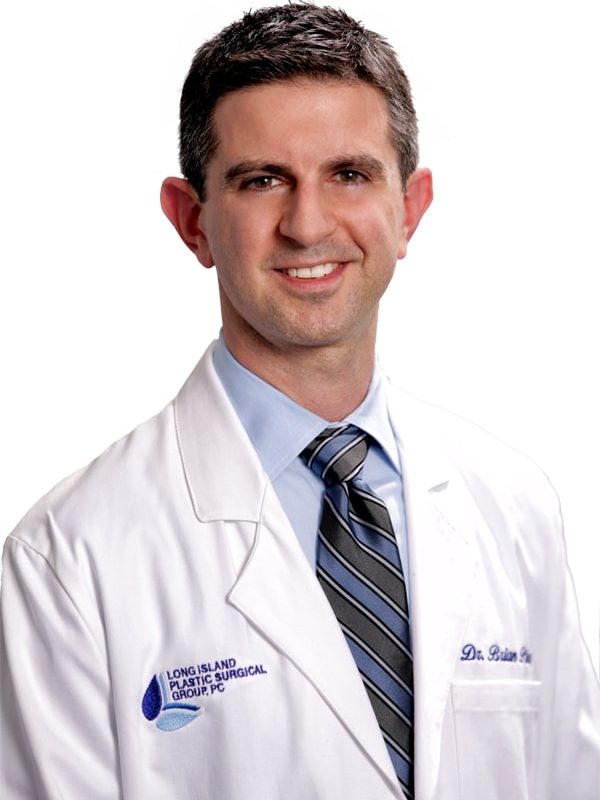
About Dr. Brian Pinsky
Dr. Brian Pinsky is a Board-Certified Plastic and Reconstructive Surgeon whose approach to care is rooted in honesty, innovation, and a lifelong commitment to excellence. A Fellow of the American College of Surgeons, Dr. Pinsky brings advanced surgical training and a deep dedication to his field, offering a full spectrum of surgical and non-surgical cosmetic procedures as well as specialized hand and upper extremity surgery. Born in Michigan and raised in Ohio, Dr. Pinsky began his academic journey at the University of Pennsylvania, later earning his medical degree from Case Western Reserve University. He went on to complete a highly competitive plastic surgery residency at Mount Sinai Hospital in New York City, followed by fellowship training in Hand & Microsurgery at UCLA. His experience includes volunteer work in Peru with KomedyPlast, providing life-changing care to children with craniofacial conditions. Today, Dr. Pinsky is also a respected educator, teaching at Stony Brook University Hospital and Nassau University Medical Center, and has been consistently recognized with honors such as Castle Connolly’s Top Doctor Award and RealSelf’s Top Contributor Award. His blend of compassion, skill, and dedication continues to make a lasting impact on patients and the surgical community alike.